




History & Overview
Papua as one of the richest regions in Indonesia in terms of natural resources is common knowledge. The population is very small. However, until now the 6 Provinces in Papua are still the regions with the lowest Human Development Index and the regions with the highest poverty in Indonesia. It is as if its natural wealth does not contribute anything to the success of human development in Papua - especially the welfare of indigenous Papuans.
In early 2026, the Ministry of Primary and Secondary Education will again release regional education data throughout Indonesia. The following table summarizes some of this data.
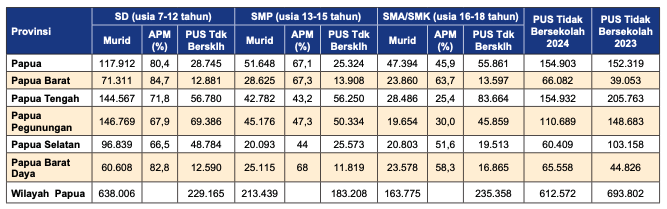
Source: Regional Education Balance of the Ministry of Primary and Secondary Education (https://referensi.data.kemendikdasmen.go.id/npd_online/). NER: Pure Participation Rate. Unschooled: Not attending school
All Day School (SSH): Innovation to Create Quality Education in Villages
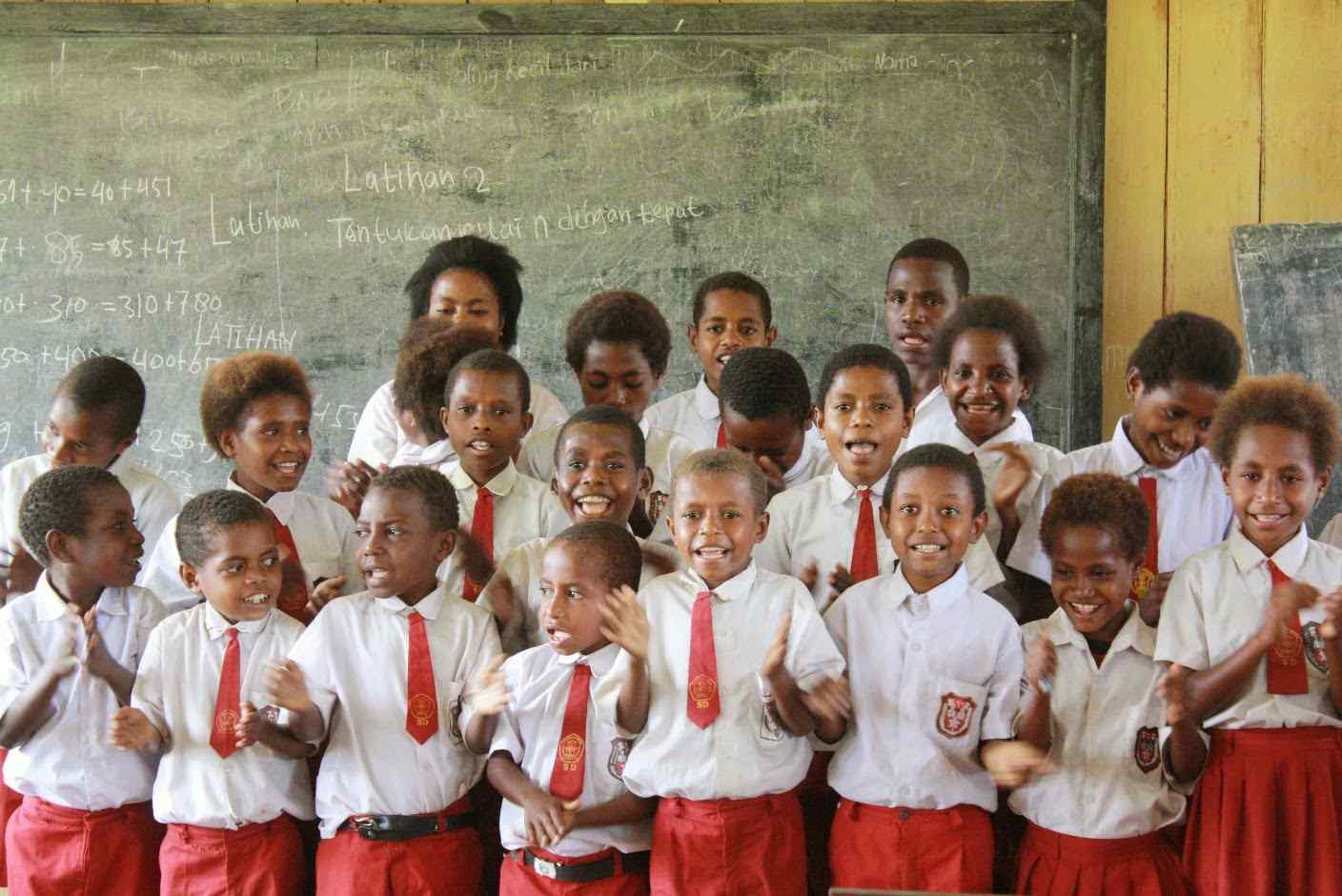
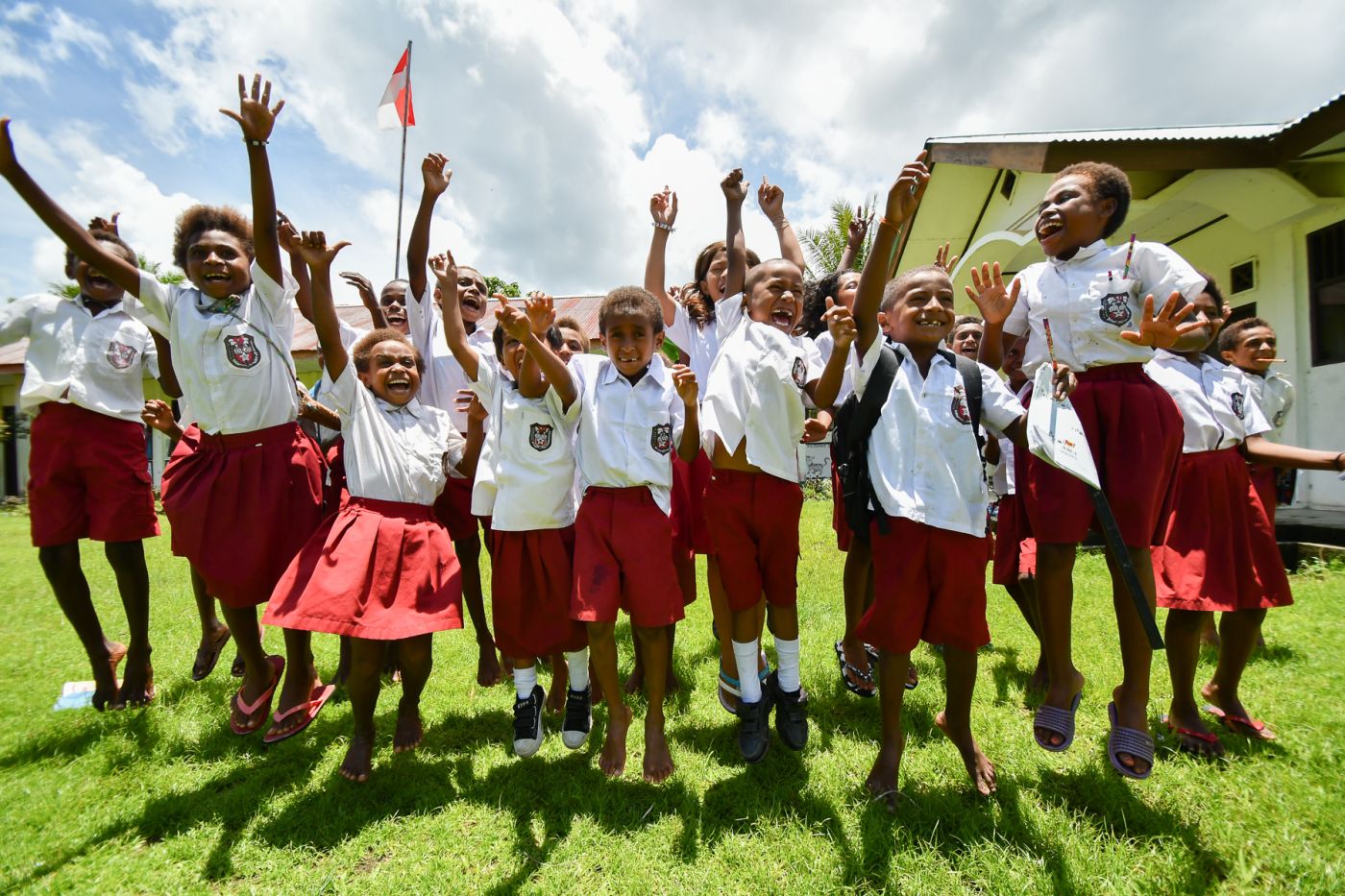
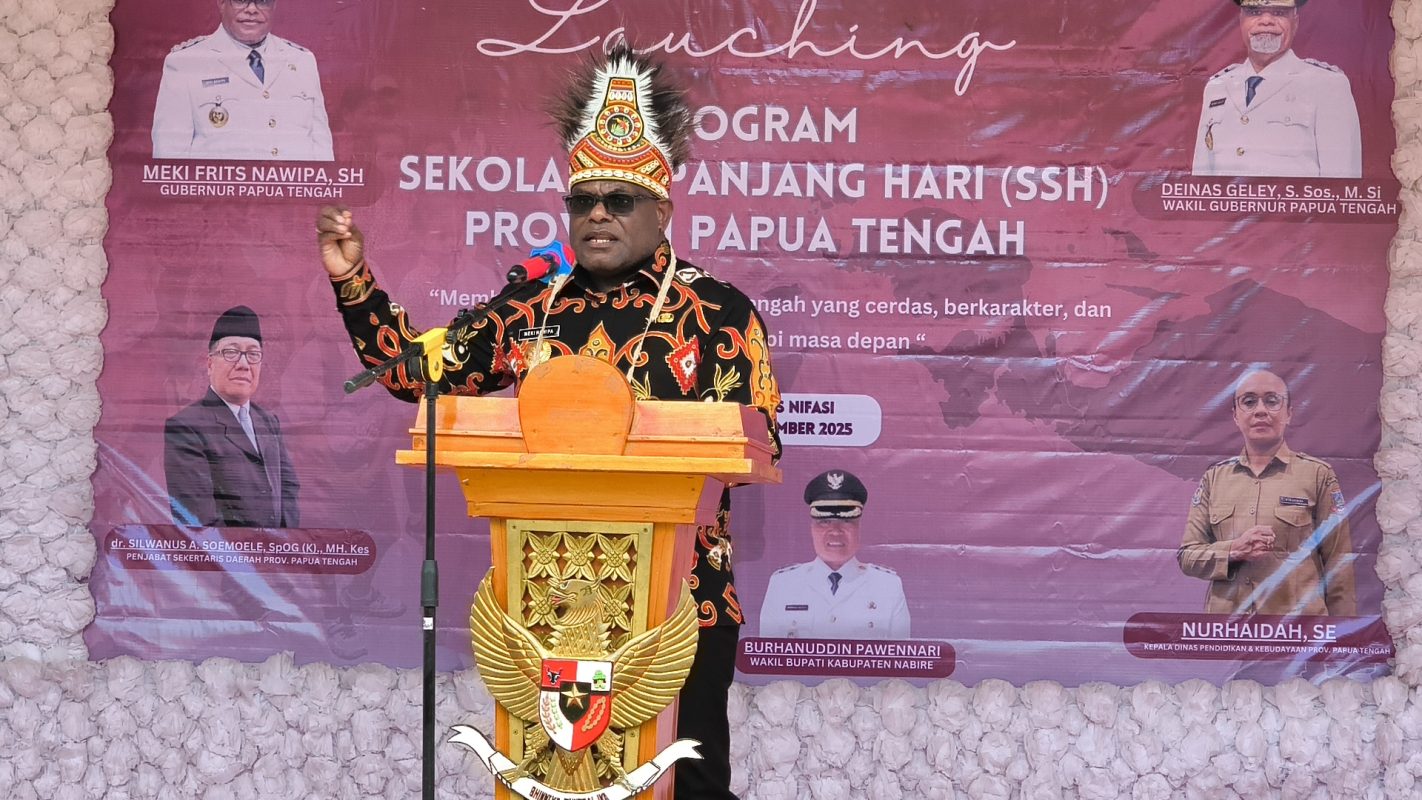
To provide quality basic education services, in collaboration with the University of Papua, since 2023, the South Sorong Regency government, then the Maybrat and Jayawijaya Regency governments (2024), and the districts in Central Papua Province (2025) have started the All Day School (SSH) program.
To provide quality basic education services, in collaboration with the University of Papua, since 2023, the South Sorong Regency government, then the Maybrat and Jayawijaya Regency governments (2024), and the districts in Central Papua Province (2025) have started the All Day School (SSH) program.
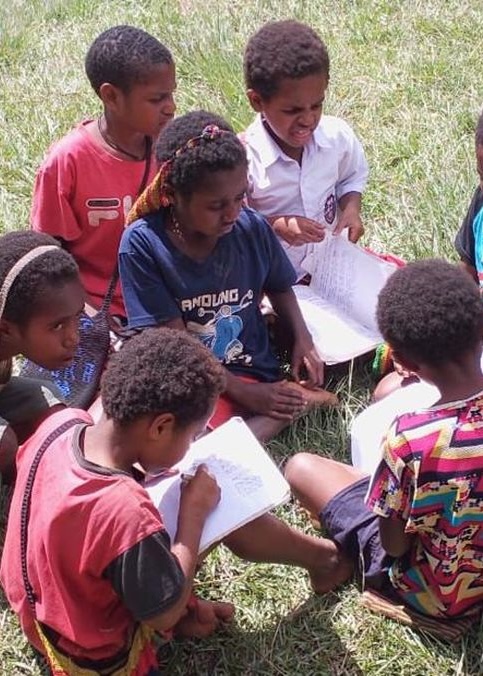
SSH provides nutritious breakfast, lunch and snacks so that children can learn with focus and grow healthier. Activities begin and close with a prayer or short devotional to foster spirituality and positive habits. Learning takes place inside and outside the classroom, enriched by the government's six literacies—reading-writing, mathematics, science, digital, financial, and citizenship and culture.
Apart from regular teachers, at least six accompanying teachers are placed in each elementary school. They help the teaching and learning process and support children's development every day. They also work with village mothers to prepare nutritious meals three times a day, so that schools become safe, healthy and collaborative spaces for the growth and development of Papuan children.
Future Development of SSH
The Central Papua region has 3,771 elementary schools. Most of them are located in remote villages. SSH is the entry point for community development in all villages, starting from the education sector. In the next few years, the existence of SSH will enable the establishment of 'small' junior and senior high schools/vocational schools, so that every Central Papuan child can complete their education up to secondary school level. Apart from that, with SSH, PKBM (Community Learning Activity Center) for adults can also be implemented well. In this way, the mandate of Article 28C and Article 31 of the 1945 Constitution of the Republic of Indonesia, as well as Article 56 paragraph (3) of the Papua Special Autonomy Law can be realized.
What is no less important is that SSH is actually the entry point for the development of villages in Papua. With the development of basic infrastructure such as clean water, electricity and internet, this will in turn drive the health and economic sectors. Health cadres can access medical information and consult with health workers in the city, while the community gets access to knowledge and market networks to develop their businesses. Education, health and the economy also move in an integrated manner in one village-based development ecosystem.
In the end, SSH is not just an education policy, but a comprehensive Papuan human development strategy. When schools are present throughout the day and supported by adequate infrastructure, villages in Papua have a strong foundation to produce a healthy, educated, productive and competitive generation. It is from these villages that a more advanced, just and dignified future for Papua can be built in a sustainable manner.
Latest Articles
19 May 2026
The Central Papua Provincial Government, through the Education and Culture Service, has officiall...
17 May 2026
The Department of Education and Culture (Disdikbud) is holding intensive training for additional ...
16 May 2026
The Central Papua Provincial Government through the Education and Culture Service confirmed that ...
20 May 2026
The big mission of Central Papua Governor Meki Nawipa, SH and Deputy Governor Deinas Geley, S.Sos...